Signs You Need Roofing System Repair: Shield Your Financial Investment With These Easy Checks
Understanding the indications that indicate a need for roof covering repair is crucial for safeguarding your building and investment. Typical indications such as missing tiles, unanticipated water discolorations, and granules accumulating in rain gutters can suggest underlying concerns that, if left unaddressed, may rise right into more significant problems. In addition, signs like drooping locations or enhanced power costs can likewise indicate inefficiencies or damages. To guarantee your roofing stays in leading condition and to prevent pricey repair services, it is important to recognize these very early indication and act accordingly. What actions should you take following?
Missing Out On or Harmed Shingles
When assessing the problem of your roofing system, one of one of the most telling signs of potential problems is the visibility of missing or harmed shingles. Tiles work as the first line of defense versus the aspects, and their stability is important for keeping the total wellness of your roof system. A couple of missing tiles may seem minor, but they can bring about considerable water infiltration, endangering the underlying framework and demanding extra extensive repair work.
Damaged roof shingles can show up in various means, consisting of curling, cracking, or blistering. Each of these conditions can reduce the efficiency of your roofing system, enabling wetness to penetrate and bring about extra serious problems. It is vital to carry out routine evaluations, especially after severe weather events, as high winds and heavy rain can exacerbate roof shingles damage.
If you identify missing or damaged shingles, it is a good idea to address these issues quickly. While small repair work might be workable for a home owner, extensive damages commonly calls for professional treatment. Prompt activity can protect against more problems and secure your investment, making certain the long life and performance of your roof.
Water Discolorations on Ceilings
Water stains on ceilings are often clear signs of underlying water damage that requires instant focus. Recognizing the source of these spots is important, as they can result from various concerns, consisting of roof covering leaks or pipes issues. Addressing the origin reason not only avoids more damage but additionally secures the honesty of the home.
Recognizing Water Damages
A property owner's watchfulness can be essential in identifying water damages early, particularly when it manifests as water stains on ceilings. These stains commonly show up as stained spots, typically yellow, brownish, or dark grey, and can vary in size from little spots to big blotches. The existence of these discolorations is a clear sign of moisture breach, which can lead to further architectural damages if not addressed quickly.
When checking for water stains, pay focus to both the shapes and size of the discoloration. Uneven forms may recommend continuous leaks, while a lot more defined locations could show previous problems. Furthermore, think about the place of the spots; spots near plumbing components or exterior walls might supply hints about potential sources of the water intrusion.
It is also important to take a look at the appearance of the ceiling surrounding the discolorations. Peeling off paint or gurgling drywall can signal considerable wetness exposure, calling for instant focus. Regular assessments and punctual activity can assist stop a lot more severe water damages, securing both the structural stability of the home and the investment it stands for. Constantly consult a specialist for a complete evaluation if you find water spots on your ceilings.
Sources of Stains
What variables add to the look of discolorations on ceilings? Water discolorations, frequently manifesting as discolored spots, are primarily brought on by leakages in the roofing system or pipes systems. When wetness penetrates through roof materials or jeopardized plumbing, it can build up and cause noticeable staining on ceilings.
One typical cause is damaged or missing roof shingles, which can enable rainwater to permeate right into the attic and, eventually, to the ceilings below. Additionally, incorrect flashing around smokeshafts, vents, or skylights can be a considerable resource of water intrusion. Pipes leaks, whether from faulty pipes or overflowing components, can also develop stains, especially in locations straight listed below shower rooms or cooking areas.
An additional contributing element is condensation, which can occur when cozy air satisfies cool surface areas, causing moisture accumulation. This is particularly usual in improperly ventilated locations, such as attic rooms or bathrooms.

Identifying the resource of the tarnish is crucial for reliable repair work. Disregarding these indications can lead to more comprehensive damage, consisting of mold development and structural weakening, underscoring the value of timely intervention to safeguard your investment.
Granules in Rain gutters
During regular evaluations of your rain gutters, the presence of granules can be a substantial indicator of roofing damage. These little, sand-like fragments are generally located on the surface of asphalt tiles, functioning as a protective layer versus UV rays and weathering. In time, damage can create these granules to remove, bring about a series of concerns that may jeopardize the honesty of your roof covering.
If you see a buildup of granules in your rain gutters, it is important to take this indication seriously. The loss of granules might subject the underlying asphalt to the components, boosting the risk of leakages and water damages. This circumstance not only jeopardizes your roofing's life expectancy however can likewise lead to costly repair work otherwise attended to promptly.
To minimize possible damages, it is recommended to inspect your roof on a regular basis, especially after serious weather events. Additionally, engaging a specialist roofer to evaluate the problem of your shingles can give valuable understandings (I&E Roofing & Construction, Inc.). Early treatment is essential to protecting your financial investment and guaranteeing the long life of your roof covering system. Keep in mind, granules in gutters are not a trivial worry; they signal the requirement for instant interest and possible fixing
Sagging Roof Locations
Sagging roof covering locations can show serious structural issues that call for instant attention. Visible deformities on the roofing system's surface, combined with the existence of water discolorations inside the home, are critical caution indications that must not be forgotten. Addressing these problems immediately can prevent additional damages and pricey repair services.
Visible Roofing Deformities
Just how can homeowners determine possible issues with their roofings? One of the most telling indicators shows up roofing deformities, specifically drooping locations. A drooping roof covering may look like dips or contours, indicating underlying structural issues that could jeopardize the honesty of the whole roofing system. House owners need to carry out normal evaluations, searching for any recognizable abnormalities in the roofline.
A number of variables can add to visible deformities, including water damages, improper setup, or visit site the weight of accumulated snow and debris. If a roof covering shows up to sag, it may suggest damaged rafters or trusses, which can lead to more serious problems if left unaddressed. A drooping roofing not just threatens the structural stability of the home yet can likewise result in costly repair work expenses if the trouble escalates.
If sagging or various other visible deformities are observed, it is recommended to consult a specialist roofer. They can examine the circumstance, identify the reason for the sagging, and suggest suitable repair service options. Timely treatment is essential to shield your financial investment and guarantee the durability of your roof covering.
Water Discolorations Inside Home
The visibility of water discolorations inside the home frequently signifies potential concerns with the roofing system, specifically in locations where sagging has actually been observed (Roofing Service). These spots normally show that water is permeating through the roof covering material, which can cause considerable structural damage if left unaddressed. Sagging roofing areas might be caused by a range of factors, consisting of inadequate assistance, collected wetness, or the wear and tear of roofing products
When you see water stains, it is vital to investigate the resource of the moisture. Try to find indications of sagging in the roofing structure, as this can worsen the issue. Typically, drooping locations can trap water, leading to leaks and additional damages. Additionally, it is necessary to evaluate the age of the roof covering; older roofing systems are much more susceptible to damage, raising the possibility of leakages.
Prompt action is required to reduce damage. Get in touch with a certified roofing professional to examine the situation and advise appropriate fixings. Overlooking water spots and sagging can result in pricey repairs and jeopardize the honesty of your home. Secure your financial investment by addressing these signs before they intensify right into more extreme issues.
Increased Power Expenses
An unanticipated spike in energy costs can usually indicate underlying problems with your roofing. When your roof is compromised, it can cause substantial air leaks, permitting conditioned air to run away and unconditioned air to penetrate your home. This inadequacy forces your home heating and cooling systems to work harder, causing enhanced energy usage and higher utility expenses.
One common perpetrator is harmed or missing out on roof shingles, which can expose your home's inside to the elements. Additionally, inadequate insulation due to roof covering damage can contribute to power loss. If you notice a regular surge in your power costs without a matching modification in use practices, it is important to examine prospective roof-related issues.
Regular roofing system evaluations are crucial for recognizing problems prior to they escalate into pricey repair services. Look for noticeable indications of wear, such as drooping areas, splits, or gaps. These may show that your roofing is no much longer providing the required obstacle against the elements. Dealing with these issues without delay can help recover your home's energy efficiency and protect your financial investment in the future. If you presume a trouble, get in touch with a roof covering professional for a thorough examination.
Mold or Mildew Growth
Mold or mildew growth on your ceiling or wall surfaces can be a clear indication of roof-related issues, particularly when wetness infiltrates your home. These fungis flourish in moist environments and can present severe wellness dangers, consisting of respiratory troubles and sensitive responses. Their presence usually suggests that your roof may be endangered, allowing water to leak in with leakages or voids.
To examine the circumstance, seek dark areas or staining on surfaces, usually in locations near the roofline or where water may collect. In addition, check for any type of water stains, peeling paint, or soft areas in your ceiling or wall surfaces, which might suggest recurring moisture problems.
Age of the Roofing
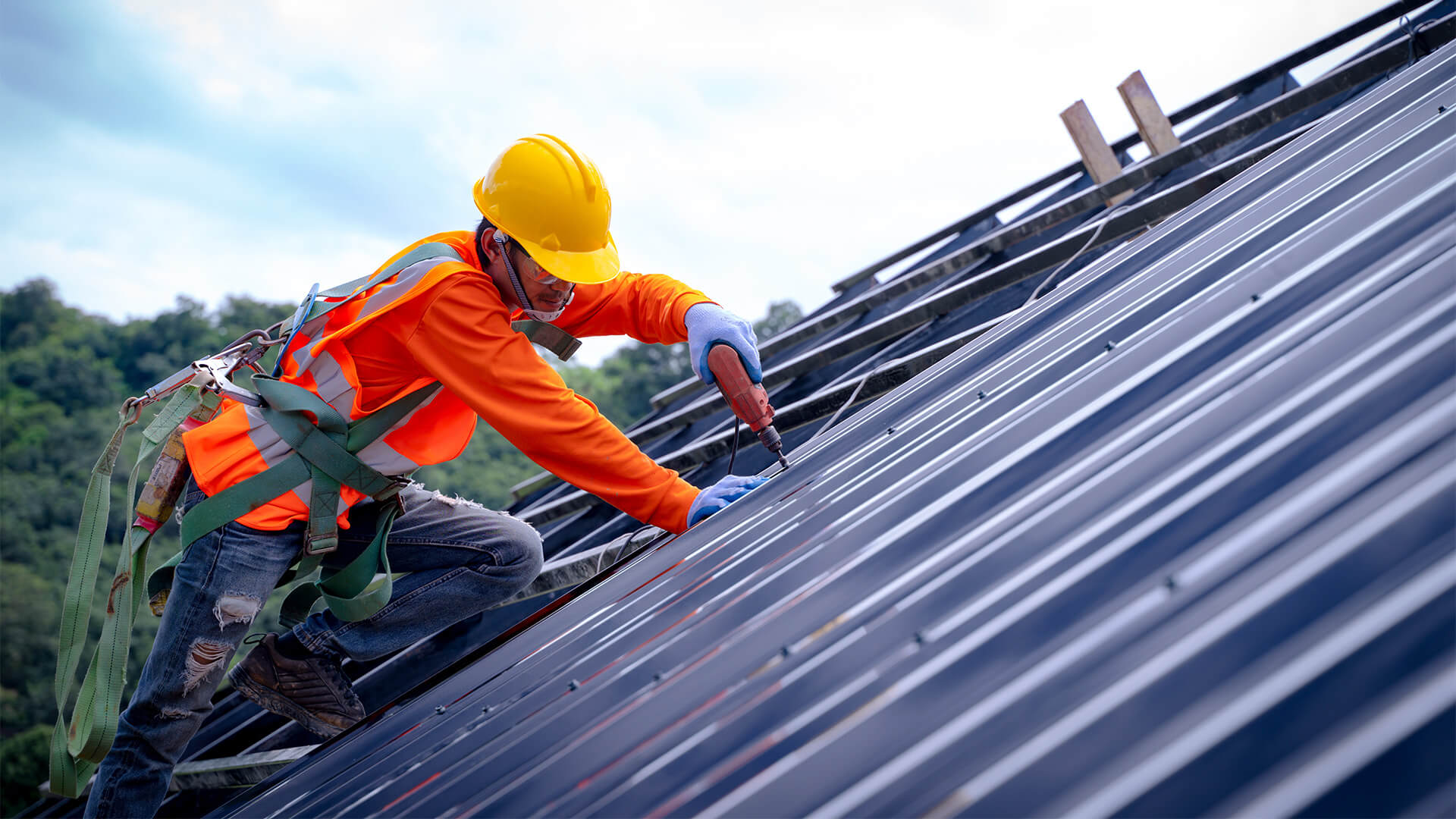
Reviewing the age of your roof is important in identifying its total condition and possible requirement for fixings - I&E Roofing & Construction, Inc.. A lot of roof covering products have a specific life expectancy, commonly varying from 15 to 30 years, depending on the kind of material utilized. Asphalt tiles, for example, generally last concerning 20 years, while metal roofs can withstand for 40 years or more. As roofings age, they become a lot more susceptible to harm from weather, pests, and other environmental elements
Normal assessments are very important for roof coverings older than 15 years. Indications of wear, such as cracked or curling tiles, missing tiles, or rust on steel surfaces, suggest that your roof might need immediate focus. Furthermore, interior symptoms like water stains on ceilings or wall surfaces can indicate underlying concerns linked to an aging roof.
If your roof is approaching its expected life-span, consider consulting a specialist roofing professional for a complete evaluation. They can provide understandings on repair service alternatives or recommend a substitute if necessary. Aggressive management of an aging roof can avoid pricey damage to your home and guarantee that your financial investment continues to be safeguarded.
Often Asked Inquiries
How Usually Should I Check My Roofing for Damage?
Regular roofing assessments are necessary for maintaining the honesty of your home. It is suggested to evaluate your roof at the very least two times a year, preferably in the springtime and autumn, to recognize any kind of prospective concerns early on. Furthermore, after severe climate events, such as hefty storms or hail storm, a thorough assessment is recommended. Attending to small damage without delay can protect against costly fixings and expand the lifespan of your roof significantly.
Can I Fix My Roof Myself?
While it is possible to fix your roof covering on your own, it is necessary to examine your skills and the complexity of the damages. Minor problems, such as replacing a few shingles, might be workable for a DIY enthusiast. Nevertheless, considerable repair services or architectural concerns frequently call for expert experience to assure safety and security and conformity with building ordinance (Roofing Service) - I&E Roofing & Construction, Inc.. Constantly prioritize your safety and consider consulting a roof specialist for substantial damage or if you are unclear about the repair work
What Are the Usual Reasons of Roofing Leaks?
Common sources of roofing system leaks include harmed roof shingles, which can occur because of age or serious climate, and incorrectly sealed vents or flashing that might permit water infiltration. Furthermore, blocked seamless gutters can bring about water backup, leading to leaks. Structural problems, such as drooping roofs or endangered underlayment, also add to this issue. Normal examinations and maintenance are important to identify these vulnerabilities and stop costly damage to your residential property.
Just How Can I Choose a Reliable Roofing Service Provider?
What Is the Typical Life Expectancy of Various Roofing Products?
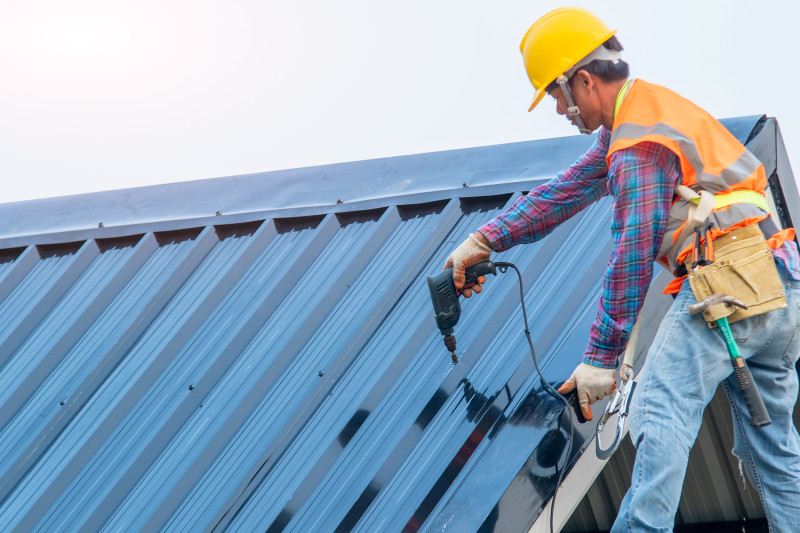
The ordinary lifespan of roof covering materials varies significantly. Asphalt roof shingles generally last 15 to 30 years, while metal roofs can endure 40 to 70 years. Wood drinks typically have a lifespan of 20 to 40 years, whereas clay or concrete tiles can exceed half a century with proper maintenance. Ultimately, synthetic roofing products may offer durability equivalent to standard options, often lasting 30 to half a century. Recognizing these lifespans aids in preparing for maintenance and replacement.
Comments on “Frequent Roofing Issues That Require Roof Repair”